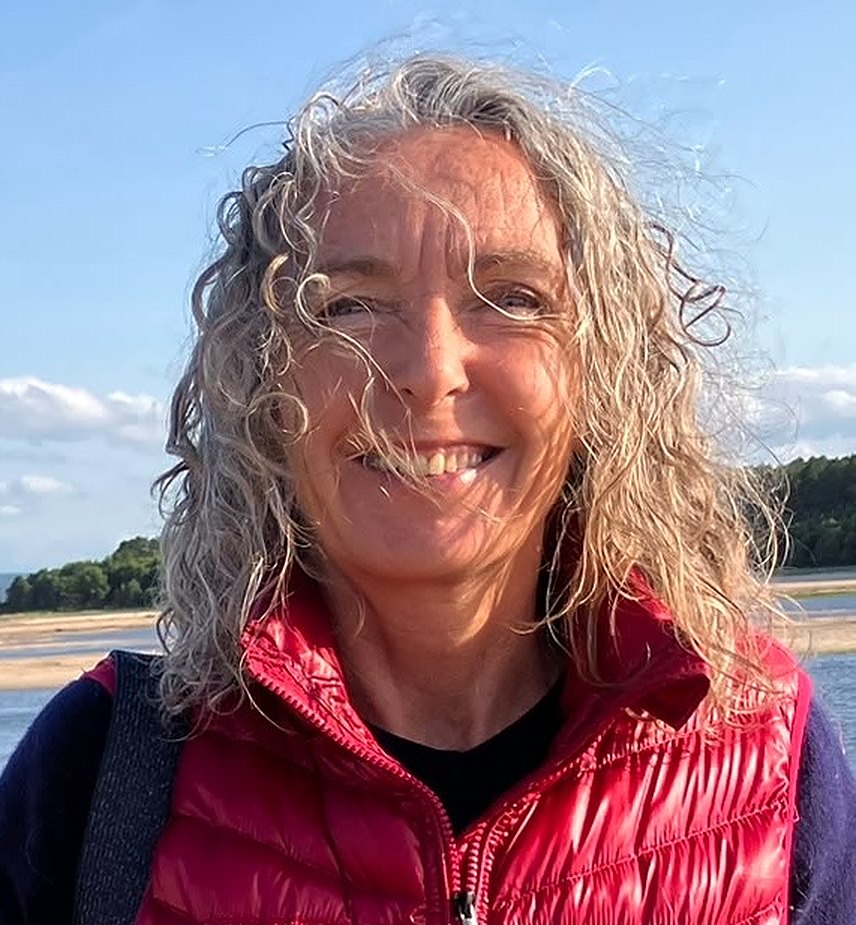

My name is Ingrid Hauge. I have practised acupuncture since 2006, including many years in Auckland, New Zealand, before returning to Scotland. My garden clinic in Forres welcomes people from across Moray, including Elgin, Nairn, Findhorn and the surrounding area.
If you are new to acupuncture, looking for support with your general wellbeing, or thinking about it alongside other healthcare, this guide explains my approach, what happens during treatment, and what you may wish to know before booking.
Your health is as individual as you are
We each arrive with our own story. Our physical health, emotional wellbeing, work, relationships, environment, food, movement and life experiences are all part of that story. Sometimes the connections are obvious, and sometimes they take a while to see.
You might have noticed your sleep change during a busy spell at work, or that discomfort is shaping how you move and spend your day. Or you may just have a sense that something in your everyday rhythm needs attention. In East Asian medicine, we look at the relationships between these different aspects of life.
I don’t begin with a fixed formula. I begin by listening.
What are you experiencing? When did it begin? What makes things easier or more difficult? How are you sleeping, eating and managing the everyday demands of life? Your observations are valuable. What you feel and how you respond help guide the treatment, step by step.
This collaborative approach is central to my work at Nature’s Qi Health. We keep reassessing, so each appointment reflects where you are now, not where you were several weeks ago. You guide the way. We work together, at a pace that feels manageable.
What is acupuncture, and how does it work?
Acupuncture has been practised within East Asian medicine for thousands of years. It involves inserting fine, sterile, single-use needles into selected acupuncture points. Traditionally, these points are understood through a network of pathways known as meridians, and through the concept of Qi (pronounced chee).
Qi is often translated as vital energy or life force, although neither expression fully captures its meaning within East Asian philosophy. The traditional understanding is that Qi is constantly moving and transforming. Health is viewed in relation to harmony, adaptation and the dynamic balance of Yin and Yang.
When this movement is described as free and harmonious, the Chinese expression Xiao Yao, or free flow, conveys something of the quality we are seeking. I love that idea. Being able to meet change without losing touch with ourselves, or with the world around us.
The traditional understanding of Qi
In East Asian medicine, the body is understood through interconnected relationships. The Five Phases or Elements (Wood, Fire, Earth, Metal and Water) provide one framework for observing patterns and changes. Yin and Yang describe complementary qualities that continually influence one another.
The classical teachings also consider our relationship with the seasons, climate, food, rest, activity and environment.
These ideas are part of the traditional theoretical framework of acupuncture. Qi and meridians, as described in classical medicine, have not been established as anatomical structures or measurable energy pathways by modern science.
Contemporary research examines acupuncture through other perspectives, including its interactions with sensory nerves, pain processing and physiological responses. The evidence varies considerably depending on the health concern being studied.
For me, traditional knowledge and modern research both deserve careful thought, while recognising what each can and cannot tell us.
What does acupuncture feel like?
Acupuncture needles are considerably finer than the needles commonly used for injections. Some people notice very little as a needle is inserted. Others describe a brief tingling, dull ache, heaviness or warmth. In traditional acupuncture, a particular needle sensation is known as De Qi (sometimes written Da Qi). The sensation can vary between individuals and between acupuncture points.
Treatment should always be responsive to your comfort. Tell me what you are experiencing, and we can adjust or stop at any point. You can explore this further in my guide to what happens at your first acupuncture appointment.
Meet your acupuncturist in Forres
East Asian medicine has taken me across countries and disciplines, and through many different ways of understanding health.
I completed four years of degree-level training in traditional Chinese medicine and acupuncture at the New Zealand College of Chinese Medicine in 2006. I subsequently developed a busy acupuncture practice in Auckland before returning to Scotland after more than twenty years in New Zealand.
Along the way, I have explored naturopathic studies at Wellpark College in Auckland, art and creativity through The Learning Connexion in Wellington, and a Buddhist approach to psychotherapy through the Karuna Institute in Bristol.
These experiences have deepened my interest in the relationships between body, mind, emotions and our environment. My continuing professional development includes Saam Korean acupuncture, Acutonics, mind acupuncture and food energetics.
I am a member of the Association of Acupuncture Clinicians (AAC), where you can view my professional profile and the therapies I offer. Returning to Scotland has also brought me closer to the rhythms of the natural world. The woodland near my home, the changing seasons, the garden, wildlife and time spent running outdoors are all important parts of my own life.
This connection with nature is reflected in the philosophy behind Nature’s Qi Health. To me, caring for ourselves means learning to notice change and respond to it. Our bodies and our lives were never going to stay the same.
What do people explore acupuncture for?
People enquire about acupuncture for many different reasons. Some are interested in a particular health concern. Others are looking for a space in which their overall wellbeing can be considered, with time to talk about the different aspects of their lives.
At Nature’s Qi Health, my work encompasses a broad range of interests, including physical comfort, emotional wellbeing, women’s health, and the ways our everyday habits influence how we feel.
It is important to distinguish the concerns people bring to an appointment from conditions acupuncture has been scientifically demonstrated to treat. Evidence is stronger for some applications than others, and acupuncture is not a substitute for necessary medical assessment or treatment.
Pain, movement and physical comfort
Physical discomfort can influence much more than the part of the body where it is felt. It may affect movement, sleep, exercise, work or the activities we enjoy. The way we respond to discomfort can also change over time. My background includes sports therapy, movement and rehabilitation approaches, alongside acupuncture and traditional East Asian bodywork.
Depending on the individual, an appointment may involve acupuncture, Tuina massage, gentle movement guidance or other appropriate techniques.
Research supports certain limited claims for acupuncture in pain management. UK advertising guidance recognises evidence for short-term relief in some situations, including chronic lower back pain, neck pain and certain headache conditions.
However, the evidence does not support a blanket claim that acupuncture treats every form of chronic pain. For a closer look at the research, read Acupuncture for Chronic Pain: What Does the Evidence Say?.
Stress, emotions and the demands of everyday life
Our emotional and physical experiences are closely connected. During challenging periods, people may notice changes in their sleep, appetite, energy, concentration or how their bodies feel. Sometimes life asks a great deal of us. Work, relationships, caring responsibilities and significant transitions can all influence our daily rhythms.
In my approach, emotional wellbeing is never considered in isolation from physical health and the circumstances of your life. An acupuncture appointment offers time to reflect, to be listened to without judgement, and to explore traditional approaches to relaxation and wellbeing.
Some people find the experience calming. This is a subjective experience rather than proof that acupuncture treats an anxiety disorder or other mental health condition. If you are living with persistent anxiety, depression or significant emotional distress, appropriate professional healthcare remains important.
You can read more in Acupuncture, Stress and Emotional Wellbeing: Understanding the Approach.
Women’s health and life transitions
Women’s health involves many stages of change. Menstrual cycles, pregnancy, the postnatal period, perimenopause and menopause can each bring new questions about our bodies and our wellbeing. Some changes are gradual. Others can feel quite sudden.
I am interested in how women experience these transitions within the wider context of their lives, including sleep, nourishment, physical activity, work and emotional wellbeing. Traditional East Asian medicine offers a particular way of understanding change and the relationship between different bodily experiences.
The scientific evidence for acupuncture in women’s health varies by condition. There is insufficient robust evidence to claim that it improves fertility, corrects hormonal imbalances or treats menopausal symptoms generally. Where medical assessment or treatment is needed, acupuncture should be considered only as a complementary wellbeing approach, rather than a replacement.
My article on Acupuncture and Menopause: Women’s Health Through Life’s Changes explores these distinctions in more detail.
Headaches and migraine
Headaches are one area where UK clinical guidance makes specific reference to acupuncture. The National Institute for Health and Care Excellence (NICE) recommends considering a course of up to ten acupuncture sessions over five to eight weeks for prevention of chronic tension-type headaches.

NICE also includes acupuncture as a possible preventive option for migraine in certain circumstances, particularly when specified preventive medicines have not worked, are unsuitable or are not tolerated. These recommendations are specific. They do not mean that acupuncture is appropriate for every headache or that it replaces medical assessment.
If headaches are new, changing, unusually severe or accompanied by concerning symptoms, medical advice is important. You can read the full explanation in Acupuncture for Headaches and Migraine: What NICE Recommends, or consult the NICE headache guideline directly.
The approaches I use at Nature’s Qi Health
Acupuncture is at the centre of my practice, but it is not the only approach I have studied. Each person is different, and the methods used may vary from one appointment to another.
Traditional acupuncture
Fine, sterile, single-use needles are placed at carefully selected points according to the individual assessment. In my work, the emphasis is on choosing points with care, and I don’t use a large number of needles. Often, less is more.
Saam Korean acupuncture
Saam is a traditional Korean system of acupuncture that commonly uses a small selection of points, often four, chosen according to traditional diagnostic principles. The approach has become an important part of my work, bringing together many aspects of my previous training.
I like its simplicity. A few well-chosen points, guided all the way by how the person responds. The fact that Saam often uses fewer needles does not establish that it is more effective than other acupuncture systems, but it is a distinctive approach that some people may wish to explore.
Discover Saam Korean Acupuncture: The Gentle Four-Needle Approach.
Tuina, acupressure and other bodywork
Tuina is a traditional East Asian form of massage that works with the body through movement, pressure and manual techniques. I also draw on acupressure, sports massage and other bodywork approaches, according to what is appropriate for the individual.
Cupping and Gua Sha
Cupping uses suction applied to the skin. Gua Sha involves repeated strokes across the skin using a smooth-edged tool. Both have traditional applications within East Asian medicine. They can produce temporary skin marks, and they are not suitable for everyone. I explain what is involved and consider relevant precautions before using either technique.
Claims that these methods remove toxins or treat particular diseases are not established by robust clinical evidence.
Moxibustion and warming approaches
Moxibustion uses heat from burning processed mugwort, traditionally applied near selected acupuncture points. In the clinic I use two TDP infrared lamps for warmth. Moxa is something I usually give people to use at home, with guidance on using it safely.
Heat-based approaches require particular attention to comfort, skin sensitivity and safety.
Tuning forks, ear seeds and other gentle techniques
My additional approaches include tuning forks and sound vibration at acupuncture points, auricular acupressure using ear seeds, and other non-needle methods. These form part of my traditional and complementary practice. Their specific medical effectiveness has not been established to the same standard as conventional treatments. I also use a TheraFlex LED lamp, which works with red, far-infrared and blue light. This is light therapy rather than a heat treatment.
For someone who is uncertain about needles, we can discuss what may be appropriate before proceeding.
Food energetics and everyday nourishment
Food has always occupied an important place in East Asian approaches to health. I am interested in how people eat, the rhythms of their meals, their relationship with food, and how nourishment fits into daily life. Food energetics considers these questions through traditional concepts such as warming, cooling and seasonal qualities.
This is distinct from evidence-based clinical nutrition. Any dietary advice should take account of medical conditions, prescribed treatments and individual nutritional needs.
Your first acupuncture appointment in Forres
If you have never experienced acupuncture before, it is natural to have questions. What will happen? Will the needles hurt? How many will be used? How will you know whether the approach is right for you? The first appointment begins with a conversation.
We discuss what has brought you to the clinic, your health history, current medications and relevant aspects of your life. You can share as much as you feel comfortable sharing. Our conversation is confidential, and my intention is always to provide a respectful, non-judgemental space.
Understanding the whole picture
Your health history may include physical symptoms, emotional experiences, previous illnesses, surgery, exercise, sleep, food, medication and supplements. In traditional East Asian medicine, these details are considered in relation to one another.
That doesn’t mean every symptom has the same cause, or that one traditional pattern explains everything. It means I take time to understand your experience before we decide what is appropriate.
Choosing the treatment together
Once we have discussed your needs, I explain the approach I am considering. This may involve acupuncture alone or a combination of techniques. You are welcome to ask questions. Your comfort, preferences and consent matter throughout.
There is no requirement to continue with a technique that feels uncomfortable or unsuitable.
Reassessing as we go
Your response helps guide what happens next. Some people may wish to return for further appointments. Others may decide that a different approach or additional medical advice is more appropriate. I would much sooner review progress with you than assume everyone needs the same number of treatments.
You can find more practical information in What to Expect at Your First Acupuncture Appointment in Forres.
Is acupuncture safe?
Acupuncture is generally considered relatively safe when performed by an appropriately trained practitioner using suitable infection-control procedures. However, it is not completely without risk. Temporary soreness, minor bleeding or bruising can occur. Some people may feel faint or lightheaded. Rare but serious complications, including infection or injury to internal structures, are possible.

At Nature’s Qi Health, I use sterile, single-use acupuncture needles.
Before treatment, it is important to tell me about any relevant medical conditions, pregnancy, prescribed medicines, anticoagulants, bleeding disorders, recent surgery or other circumstances that could influence the suitability of treatment.
Acupuncture should not delay medical diagnosis or replace treatment recommended by your GP or specialist. If you are uncertain whether acupuncture is appropriate, please discuss this with your healthcare professional.
Choosing an acupuncturist in Moray
When looking for an acupuncturist in Forres, Elgin, Nairn or elsewhere in Moray, it is worth considering more than proximity. Training, experience, professional membership, communication and the way a practitioner approaches your individual needs all matter.
You may wish to ask:
- What acupuncture training have you completed?
- How long have you been practising?
- Do you belong to a professional association?
- What safety and hygiene procedures do you follow?
- How do you decide whether acupuncture is appropriate?
- Will you explain the treatment and review progress with me?
My own training includes four years of degree-level study in traditional Chinese medicine and acupuncture, completed in 2006, followed by continuing study and clinical practice. You can view my membership profile through the Association of Acupuncture Clinicians.
I believe a good therapeutic relationship begins with listening, clear communication and mutual respect.
Acupuncture near Elgin, Nairn and across Moray
Nature’s Qi Health is based at 15 Woodside Drive, Forres, Moray, IV36 2UF. Forres sits along the A96 corridor between Inverness and Elgin, making the clinic accessible to people travelling from different parts of Moray and the surrounding area.
I welcome enquiries from Forres itself, as well as Elgin, Findhorn, Kinloss, Nairn and neighbouring communities. The clinic is a peaceful home-based space near woodland and Sanquhar Ponds, with a garden outlook and street parking.
The setting reflects much of what I value: simplicity, connection with nature, and the opportunity to give each person time and attention.
Appointments and fees
A standard appointment is approximately 60 minutes and costs £70. The time needed may vary according to the individual, and shorter appointments may be appropriate for children. If you have questions about appointment length, fees or whether my approach is suitable for you, please contact me before booking.
Yang Sheng: Nourishment of Life
One of the ideas I return to in my work is Yang Sheng, often translated as Nourishment of Life. It is a traditional philosophy of caring for life through our daily choices and our relationship with the world around us. How we rest. How we move. How we nourish ourselves. How we respond to the seasons and to change.
Many people who come to me are interested in ageing well: staying active, rested and engaged for as many years as possible, what is sometimes called healthspan. Yang Sheng speaks to this directly. It is about caring for the years we have, through the small choices we make each day.
It encourages us to pay attention to what sustains us. We cannot prevent every difficulty, illness or unexpected event. Life is continually changing, and our needs change with it. But we can become more attentive to the patterns of our days, the signals our bodies give us, and the choices available to us.
Sometimes those choices are very small. A little more time outdoors. A more nourishing meal. A moment of stillness. Recognising when we need help. This philosophy is an important part of how I understand East Asian medicine. It also reminds me that healthcare is not something done to a person. It is a relationship in which listening, participation and informed choice matter.